How to Choose a Photo Frame for Your Wall — The Complete Room-by-Room Guide
Three decisions determine whether a wall photo frame looks right or wrong: size, colour and height. Here's how to get all three correct for every room in your home.
Giftkida Editorial Team
Photo Frame Experts
Three things determine whether a wall photo frame looks deliberately chosen or accidentally placed: size (relative to the wall and furniture), colour (in relation to the room's palette), and height (whether it sits at the right visual level). Get all three right and the frame is invisible — what you notice is the photo and the room. Get one wrong and the frame is what you notice.
Here's how to get all three right, room by room.
The Universal Rules First
Frame Size Relative to Wall
A frame that is too small for its wall is the most common mistake in Indian home décor. The tendency is to buy a frame that seems "safe" in size — and it ends up looking lost on the wall like a postal stamp.
Use the two-thirds rule: a wall frame (or gallery wall grouping) should ideally span two-thirds of the wall width, or two-thirds of the furniture width it hangs above.
- Above a standard 1.8 metre sofa: frame or gallery wall group should span approximately 1.2 metres
- Above a 1.5 metre king bed headboard: single frame or art should be approximately 90 cm wide — use 18×24 inch or a pair of 12×18 inch side by side
- On a narrow corridor wall (90 cm wide): 8×10 or 12×18 inch portrait orientation looks right; wider frames will feel tight
Hanging Height
The universal standard: centre of the frame at eye level — approximately 145-152 cm from the floor (for the average Indian adult eye level). This applies to single frames on empty walls.
Exception: frames hung above furniture should have their bottom edge 15-25 cm above the furniture's top surface. If you hang a frame 15 cm above the sofa following the eye-level rule, it will feel too high and disconnected from the furniture beneath it.
Frame Colour Logic
- Black frame: Works on any wall colour — white, grey, beige, coloured. The most neutral and versatile choice.
- White frame: Best on coloured walls (navy, sage green, terracotta, deep teal). On white walls, creates a subtle tonal effect — works well with colourful photos.
- Natural wood (brown): Adds warmth. Best on white, cream or light grey walls. Avoid on very cool-toned grey walls — the contrast can feel discordant.
- Gold/metallic frame: Statement and historic. Best in maximalist interiors or as a single accent piece in an otherwise neutral room.
Room-by-Room Guide
Living Room
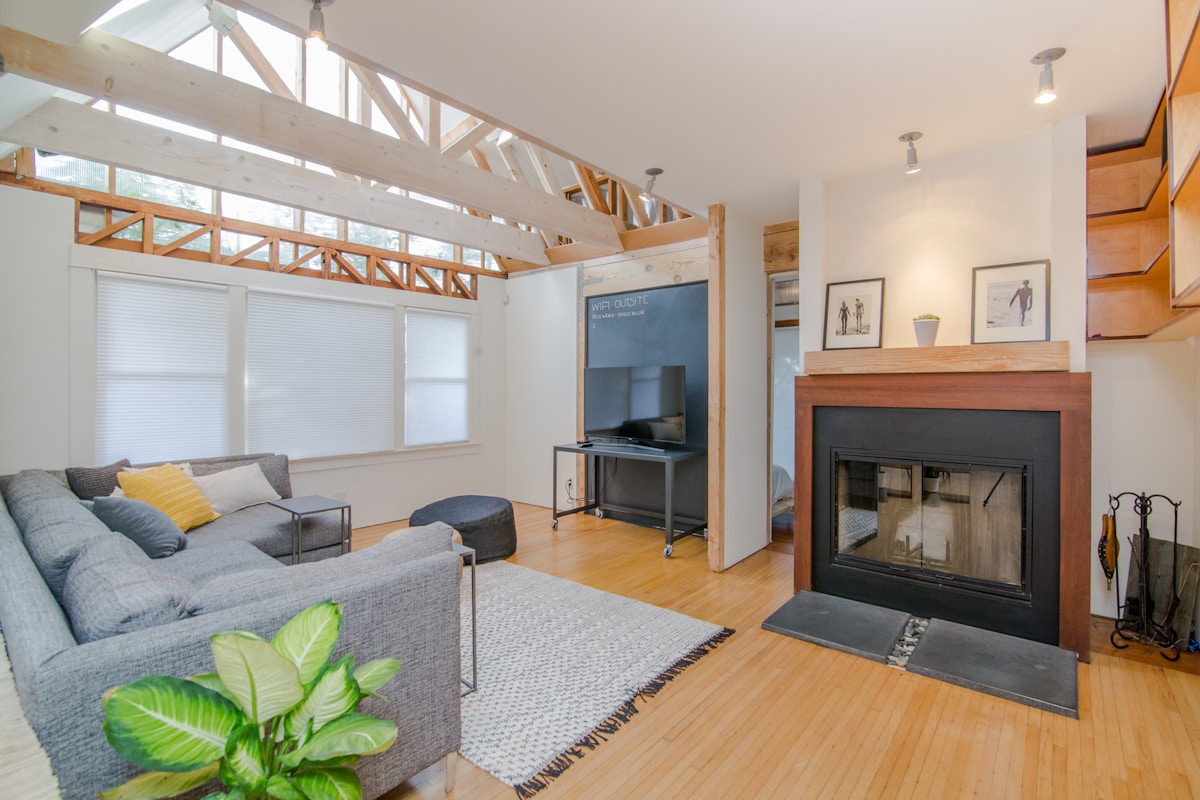
Primary wall (behind sofa or TV unit): This is your highest-impact placement. A single 18×24 inch frame above the sofa, or a gallery wall arrangement spanning the width of the sofa, is the living room photo wall idea that most transforms a space.
Materials: Solid wood (Brown or Black) for traditional Indian homes. Floating acrylic for contemporary urban apartments. Avoid fussy decorative frames here — they compete with the sofa and furniture rather than complementing them.
Bedroom
Above the bed: A pair of 8×10 inch frames on either side of the headboard (symmetrical, same height) is the most elegant bedroom approach. A single large piece — 12×18 or 18×24 inch — centred above the headboard works for bold choices. Choose something personal: a meaningful couple photo, a landscape from a place you love, or an image that creates calm.
Colour: Bedroom frames tend to work best in softer tones — white, natural wood, warm brown. Matte black works in modern minimal bedrooms; avoid it in traditionally decorated rooms where it can feel harsh in the intimate bedtime light.
Corridor and Entryway
Corridors are underused gallery spaces — they force people to walk close to the art, which is actually an advantage. A linear row of frames (same size, evenly spaced) running down the corridor creates a beautiful gallery feel without taking up any living space.
For entrances: a single statement piece — a large family portrait or a beautiful landscape — as the first thing guests see when entering the home is a classic and powerful design choice. 18×24 inch in a substantial frame (solid wood or quality resin) works beautifully here.
Children's Room
Three priorities: shatter-proof (acrylic over glass), subjects that delight the child (their own drawings, characters they love, candid photos of them and their friends), and low placement — children's room frames should hang at the child's eye level, not adult eye level.
A row of 5×7 inch white frames at a height where a 5-year-old can look at them is both practical and genuinely charming. Rotate the photos seasonally — school photos, holiday photos, artwork — and the wall stays fresh.
Study / Home Office
The home office wall should do two things: look professional and feel motivating. Black frames on white walls achieve the professional aesthetic; the content inside should be a combination of achievement documentation (certificates, awards) and personal meaning (a photo that reminds you why you work).
A4 Black frames for certificates. 8×10 Black frames for personal photos. Keep it disciplined — three to six frames, careful alignment, no clutter.
Puja Room
Warm wood (Natural Brown) is the standard for puja rooms — it complements the golden, saffron and red palette of devotional artwork better than any other frame material. 12×18 inch on the wall behind the mandir for the primary deity image. 5×7 or 8×10 for secondary deity photos on shelves or ledges. Avoid cold-toned black or grey frames here — they conflict with the warmth and colour of religious artwork.
Quick Reference: Frame Choice by Room
| Room | Recommended Size | Recommended Frame |
|---|---|---|
| Living Room (above sofa) | 12×18 or 18×24 inch | Black or Natural Wood |
| Bedroom (above headboard) | 12×18 inch single or 8×10 pair | White or Natural Wood |
| Home Office | A4 or 8×10 inch | Matte Black |
| Children's Room | 5×7 or 8×10 inch | White Acrylic (shatter-proof) |
| Puja Room | 8×10 or 12×18 inch | Natural Brown Wood |
| Corridor / Entryway | 18×24 inch or row of 8×10 | Black or Natural Wood |
| Kitchen | 5×7 inch (shelf) | White or Natural Wood |
Still not sure? Browse our full collection by room type — or WhatsApp us and we'll help you pick the right frame in under five minutes.
Topics
Shop Related Products
Frequently Asked Questions
How high should a photo frame be hung on a wall?
The universal rule: the centre of the frame should be at eye level — approximately 145-152 cm (57-60 inches) from the floor. For frames hung above furniture (sofa, bed, console table), the bottom of the frame should be 15-25 cm above the furniture's top surface. These measurements work for the vast majority of spaces.
What size photo frame should I buy for a living room wall?
12×18 inch is the most popular living room wall frame size in India — large enough to create visual impact without overwhelming typical room scales. For large living rooms with 10-foot+ ceilings, 18×24 inch creates a more commanding presence. For small or compact living rooms, 8×10 inch works well as a single accent piece.
What colour frame looks best on a white wall?
Black frames on white walls are the most universally recommended combination — the contrast is clean, modern and makes the photo itself the clear focal point. Natural brown wood frames on white also work beautifully, adding warmth without competing with the photo. White frames on white walls create a subtle, tonal look that works well with bright, colourful photos.